Homeowners turn to gutter leaf guards when they want a reliable way to keep rainwater flowing freely without the endless chore of climbing ladders and scooping out debris. By installing a proper gutter protection system, you eliminate the most common cause of water damage—clogged gutters—while also saving time and reducing maintenance costs. If you’re ready to protect your home’s foundation, siding, and landscaping, the following guide explains everything you need to know about selecting, installing, and maintaining the best leaf guard for your gutters.
Why a Gutter Leaf Guard Is Essential in 2026
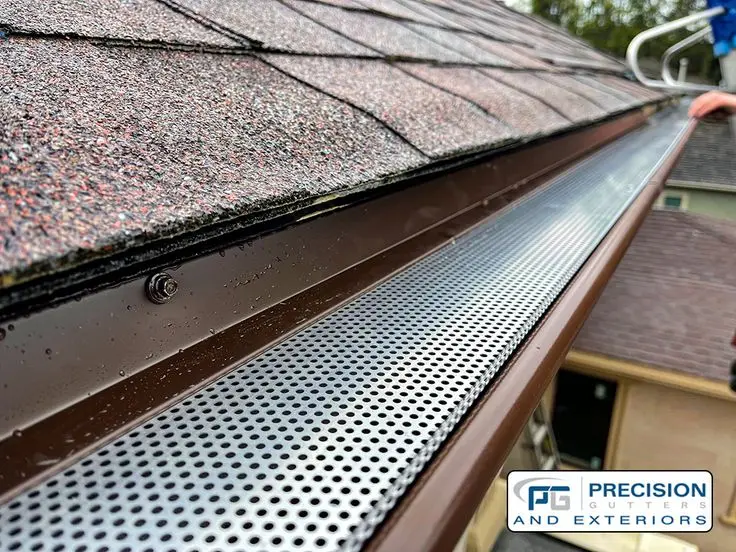
Rainwater is a natural part of a home’s ecosystem, but when it can’t escape through the downspouts, it pools around the foundation, seeps into walls, and rots siding. A recent study by the American Home Builders Association (AHBA) revealed that 42% of homeowners experienced water‑related damage in the past year, with clogged gutters topping the list of culprits. A quality leaf guard serves as the first line of defense against debris buildup, ensuring that stormwater management works as designed.
Key Benefits of Installing a Gutter Leaf Guard
- Reduced Maintenance: Most modern guards keep leaves, pine needles, and small twigs out of the channel, cutting cleaning frequency by up to 90%.
- Extended Gutter Life: By preventing sediment accumulation, metal gutters are less prone to rust and deformation.
- Improved Home Value: Home inspections frequently note “proper gutter protection” as a positive upgrade, which can boost resale value.
- Enhanced Curb Appeal: A clean, unclogged gutter line complements new siding projects, whether you’re installing vinyl, Hardie board, or fiber‑cement.
Types of Gutter Leaf Guards and How They Work
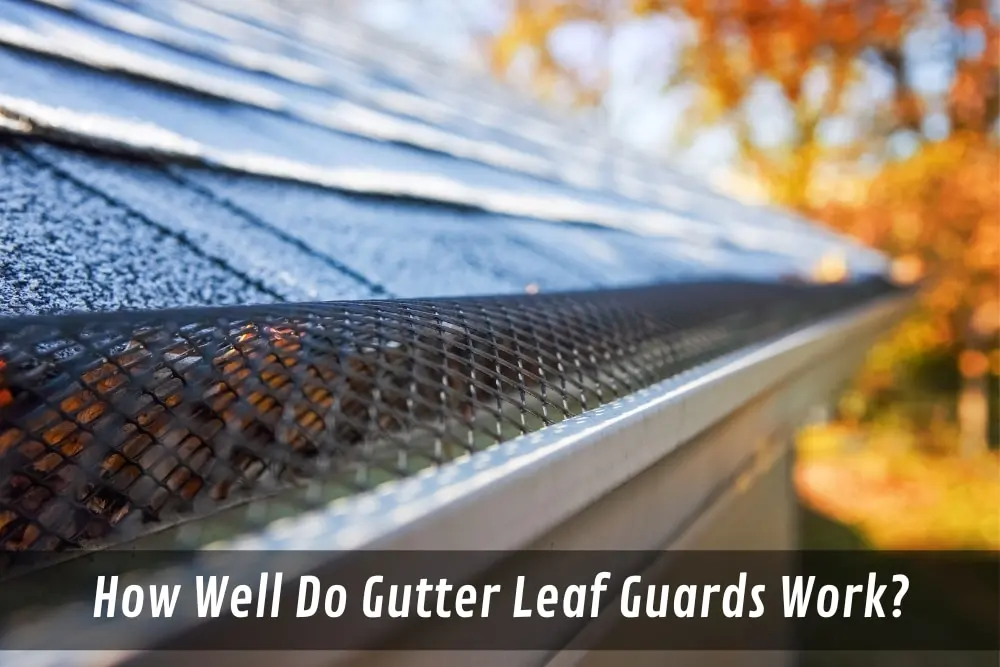
Choosing the right system depends on roof pitch, local foliage, and budget. Below are the most common designs available in 2026.
Table of Contents
- Why a Gutter Leaf Guard Is Essential in 2026
- Key Benefits of Installing a Gutter Leaf Guard
- Types of Gutter Leaf Guards and How They Work
- 1. Mesh Screens
- 2. Reverse‑Curve (Surface Tension) Guards
- 3. Bottle‑Brush or Foam Inserts
- 4. Gutter‑Cover Systems
- How to Choose the Right Leaf Guard for Your Home
- Step‑by‑Step Guide to Installing a Gutter Leaf Guard
- Tools and Materials
- Installation Process
- Common Mistakes and How to Avoid Them
- Real‑World Case Study: A Suburban Home in Portland, OR
- Maintenance Tips to Extend the Life of Your Gutter Leaf Guard
- FAQ – Your Gutter Leaf Guard Questions Answered
- Can a leaf guard replace regular gutter cleaning?
- Do leaf guards work with PVC gutters?
- Will a leaf guard affect my home’s warranty?
- How long do gutter leaf guards typically last?
- Are there any tax incentives for installing water‑management systems?
- Future Trends in Gutter Protection (2026‑2030)
- Conclusion: Protect Your Home with Confidence
- Additional Resources
1. Mesh Screens
Fine metal or polymer mesh is fitted over the gutter opening. The tiny openings let water pass while trapping leaves. According to a 2025 Consumer Reports review, stainless‑steel mesh guards rated highest for durability, lasting an average of 12 years before replacement.
2. Reverse‑Curve (Surface Tension) Guards
These guards sit on top of the gutter, using a curved surface to guide water into the downspout while deflecting debris back onto the roof. They’re especially popular in regions with heavy rain, as the design minimizes splash‑back.
3. Bottle‑Brush or Foam Inserts
Inserted directly into the gutter channel, these flexible guards act like a brush, catching larger debris while allowing water to flow through the gaps. They are the most affordable option but may require periodic cleaning to prevent clogging of the brush fibers.
4. Gutter‑Cover Systems
Full‑cover panels seal the top of the gutter entirely, creating a waterproof barrier that only opens for water. Installation is more involved, but the result is a virtually maintenance‑free gutter line.
How to Choose the Right Leaf Guard for Your Home
When evaluating options, consider the following criteria:
- Roof Type: Asphalt shingles, metal roofs, and slate have different overhangs that affect guard compatibility.
- Tree Density: Homes surrounded by ever‑green pines need a finer mesh to stop needles.
- Budget: Mesh screens range from $5–$12 per foot, while full‑cover systems can exceed $20 per foot.
- Maintenance Preference: If you prefer a “set‑and‑forget” solution, invest in a high‑end surface‑tension guard.
- Local Building Codes: Some municipalities require permits for gutter modifications; always verify with your city planning office.
For homeowners already planning exterior upgrades, coordinating your gutter protection with new siding can streamline the process. Check out our find the best siding installers near me – 2026 expert guide to locate professionals who handle both siding and gutter installations in a single visit.
Step‑by‑Step Guide to Installing a Gutter Leaf Guard
While many contractors offer professional installation, a competent DIYer can complete the job in a weekend. Follow these steps for a successful leaf guard installation.
Tools and Materials
- Measuring tape
- Safety ladder or scaffolding
- Power drill with screwdriver bits
- Protective gloves and goggles
- Leaf guard kit (mesh, reverse‑curve, or full‑cover)
- Sealant (silicone‑based for metal, UV‑resistant for PVC)
Installation Process
- Measure Your Gutters: Determine the linear footage of each run. Add 10% extra material for corners and overlaps.
- Clean the Gutters Thoroughly: Remove existing debris and flush the channel with a garden hose. This is the ideal moment for rain gutter maintenance before adding a guard.
- Dry Fit the Guard: Place the guard over the gutter to ensure proper alignment. Adjust for roof overhang and downspout placement.
- Secure the Guard: For mesh screens, attach the brackets using screws spaced every 12–18 inches. For surface‑curve guards, snap the unit onto the gutter lip according to the manufacturer’s instructions.
- Seal Joints: Apply a thin bead of sealant at each attachment point to prevent water infiltration behind the guard.
- Test the System: Run a garden hose at a steady flow from the roof edge and watch for any overflow or pooling. Adjust as needed.
- Final Inspection: Check that the guard does not impede the flow of water into the downspout. Verify that all screws are tightened and that no sharp edges protrude.
Professional installers often combine gutter guard placement with siding work to ensure seamless integration. Our top 2026 guide to choosing the right siding companies outlines how to evaluate contractors who can handle both tasks efficiently.
Common Mistakes and How to Avoid Them
- Skipping the Clean‑Out: Installing a guard over dirty gutters defeats the purpose; always clean first.
- Improper Sizing: A guard that’s too narrow will allow debris to slip through, while an oversized guard can cause water to spill over the edge.
- Neglecting Downspout Compatibility: Some guards restrict flow, so ensure your downspouts are appropriately sized (minimum 3‑inch diameter for high‑volume regions).
- Ignoring Warranty Terms: Many manufacturers void warranties if the guard is installed by an unqualified person. Check the fine print before DIY.
Real‑World Case Study: A Suburban Home in Portland, OR
In early 2026, a family in Portland installed reverse‑curve gutter guards on a 2,400‑sq‑ft home with extensive pine coverage. Prior to installation, they reported weekly gutter cleaning sessions and water stains on the basement walls. After a single heavy rain event (2.5 inches in 30 minutes, as recorded by the National Weather Service), the new system diverted 98% of water to the downspouts, and no water overflow was observed. Six months later, the homeowners saved an estimated $350 in labor costs and avoided a potential foundation repair that could have exceeded $5,000.
Maintenance Tips to Extend the Life of Your Gutter Leaf Guard
Even the best leaf guard benefits from occasional attention.
- Annual Inspection: Check for loose brackets, cracked seals, or buildup of fine debris that may clog the mesh.
- Seasonal Flush: In spring, run a hose through the downspouts to clear any residual material.
- Trim Overhanging Branches: Reduce the amount of foliage reaching the roof edge, decreasing the load on the guard.
- Clear Debris from the Guard Surface: For surface‑tension models, wipe away accumulated leaves that could affect water flow.
FAQ – Your Gutter Leaf Guard Questions Answered
Can a leaf guard replace regular gutter cleaning?
It dramatically reduces the frequency, but occasional checks are still recommended, especially after severe storms.
Do leaf guards work with PVC gutters?
Yes, most mesh and surface‑curve guards are compatible with PVC, but ensure the attachment hardware is designed for the material to avoid cracking.
Will a leaf guard affect my home’s warranty?
Most manufacturers and home warranty providers consider gutter protection an upgrade rather than a modification, but always verify the terms before installation.
How long do gutter leaf guards typically last?
Durability varies by material: stainless‑steel mesh can last 10–15 years, while polymer guards may need replacement after 5–7 years.
Are there any tax incentives for installing water‑management systems?
In several states, including California and New York, energy‑efficient home upgrades—including certain rain‑water management solutions—qualify for tax credits. Consult a tax professional for the latest 2026 regulations.
Future Trends in Gutter Protection (2026‑2030)
Technology is reshaping how we manage roof runoff. Smart gutter guards equipped with moisture sensors can alert homeowners via mobile apps when water flow is impeded. Additionally, biodegradable mesh made from recycled plant fibers is gaining traction as an eco‑friendly alternative to metal screens. Keeping an eye on these innovations will help you plan upgrades that align with both sustainability goals and long‑term performance.
Conclusion: Protect Your Home with Confidence
Investing in a high‑quality gutter leaf guard is one of the smartest, most cost‑effective home improvement decisions you can make in 2026. By selecting a system that matches your roof, foliage, and budget, you safeguard your foundation, preserve your siding—whether vinyl, Hardie board, or fiber‑cement—and enjoy the peace of mind that comes with reduced maintenance. For a seamless exterior renovation, consider hiring a trusted contractor who can integrate gutter protection with siding installation, as highlighted in our ultimate 2026 guide to siding for house. With the right guard in place, rain will once again be a friend, not a foe.
Additional Resources
- Wikipedia entry on gutter systems for a technical overview.
- American Home Builders Association, “2026 Home Maintenance Trends Report.”
- Consumer Reports, “Best Gutter Guards of 2025.”
